
You have strained my relationships, especially with my husband (or wife), parents, and children. And hindered my personal and professional growth. The worries you bring are no longer worth the pain. If you write your letter as part of an addiction treatment group or in a counseling session, you may be able to share it with others. Doing so can help you relate to others suffering from drug abuse and help you realize you are not alone. Your letter can also serve as a source of inspiration for others.

Set the tone and decide what platform you’d like to speak from. Because you’re saying goodbye to drugs or alcohol, address the letter as if you’re talking directly to the substance that’s robbed you of your happiness, independence, and money. When faced with this task, most clients often ask, “Why would I write a letter to my addiction? ” Most who accomplish writing their letter quickly discover how powerful this exercise can be. In the same manner that someone uses the power of manifestation, writing a “dear addiction” letter is a strong, actionable mental tool to help you speak recovery into existence. Surrounding yourself with supportive individuals can significantly increase your chances of maintaining long-term sobriety.
You made me believe I needed you to cope, to survive. I never in a million years thought I’d be in this position. I deserve to live free from your grip, and I am determined to find joy and peace without you. I am excited to rebuild the lives of myself and my kids and discover who I am without you. Declare your decision to end the addiction and your commitment goodbye letter to addiction to a healthier life through treatment and support. Or did you leave the door open, breaking up and still wanting it to call again?
We’ve got the key for turning crisis into a clear path forward.
A typical strategy to enforce relapse prevention involves the therapist and client sitting down and developing a plan. Clients are usually aware of common relapse triggers that increase the likelihood of relapsing and how these can and should be avoided. In addition to being aware of triggers, clients need to consider what the consequences will be if they relapse. In this section, record the client’s primary concerns or diagnoses.
- We offer amenities such as outdoor meditation zones, waterfalls, gym equipment, and group exercise.
- The AA Step 4 Worksheet offers a structured and organized moral inventory approach.
- Many people choose to keep the letter in a safe place where they can revisit it occasionally for inspiration or to see how far they’ve come since writing it.
- Saying goodbye to your addiction enables you to recognize your past, honor your new life path, and provide closure.
Building Healthy Relationships in Recovery
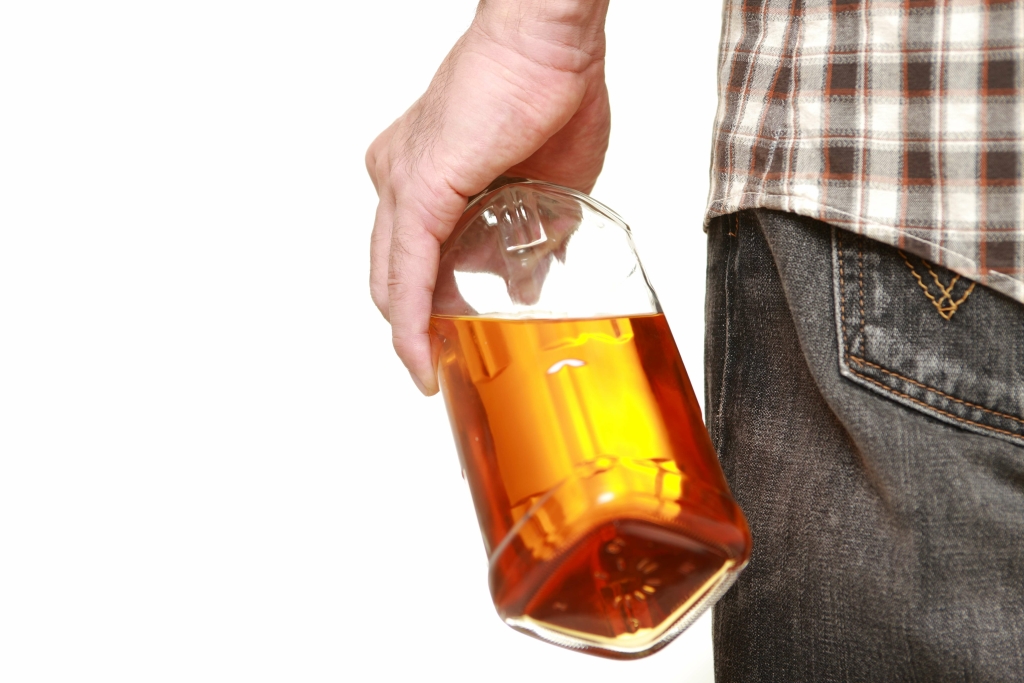
Writing helps you express the emotions you would have wished to remain suppressed. As you learn to express your feelings, you also master cognitive structuring, which influences self-compassion. Being kind to yourself enables you to accept that with or without flaws, you are still wholesome and worthy of love and acceptance. Self-compassion helps build self-esteem, reminding you that you are better than what weighs you.
Contact Texas Recovery Centers Now
Effective boundary setting allows individuals to say no to emotionally draining demands and maintain their own values and priorities within their personal life. These therapy worksheets guide users through the practice of willingness – the act of embracing discomfort – and creating an action plan rooted in https://excellentpackagingmachinery.com/chrissy-teigen-credits-carl-radke-for-helping-her/ values alignment. It provides a structured process for incorporating these fundamental ACT concepts into personal growth and goal attainment. Writing a goodbye letter to addiction works because it combines emotional closure, cognitive restructuring, and behavioral commitment into one powerful exercise.
Lean on loved ones, family, and friends without shame, as this is one of the most courageous things you can do. By putting pen to paper (or fingers to keyboard), you’re not only acknowledging the impact of addiction on your life but also committing to change. It is an affirmation that you’re in control of the disease and offers the emotional closure you need to heal and recover. It’s time to say goodbye to the darkness and hello to a new chapter in your story. Recognizing and treating drug and alcohol addiction requires immense courage, and physically writing a farewell letter to the clutches of addiction is monumental.
- This collaborative discussion encourages self-awareness and helps you guide them toward more effective boundary-setting strategies tailored to their personal and relational contexts.
- I’ve realized that your temporary relief isn’t worth the long-term damage.
- There is no set timeline for completing the 4th Step.
Practicing personal responsibility fosters self-respect and empowers clients to focus on their own lives and values. Without this boundary, individuals may feel emotionally drained or overwhelmed. Encouraging clients to reframe their language—from “you made me feel” to “I feel”—helps them take charge of their emotional experience and maintain a balanced, grounded perspective.
The government once thought illegal drugs had no Alcoholics Anonymous medical use. Laws are quickly changing across the nation as researchers find medical uses for these drugs. Through writing this goodbye letter, patients often identify potential triggers for relapses.
Then send the letter the way your drug of choice will understand. As you write, you experience self-reflection, recognizing your strengths and what makes you an amazing human. Therapeutic writing heals the inner you that craves to be whole, that desires to be understood, and that yearns to express your innermost feelings without the fear of judgment. We understand that there are no shortcuts on the path to recovery, and our compassionate team offers unwavering support and intensive care throughout your healing journey. At Resurgence Behavioral Health, we offer free insurance verification to verify your benefits. Our team deals with your insurance provider on your behalf, ensuring you have the best drug treatment plan available.
Elephant Journal highlights some of the personal narratives written by those going through recovery. In the letters, they express how addiction once felt like home to them. The letters highlight their recovery journey, and it has an impact on those still recovering from addiction.
Step 4: Follow-up
David Beasley is the founder of Design for Recovery Sober Living Homes in Los Angeles and a mentor dedicated to helping young men rebuild their lives after addiction. His work focuses on structured, values-based recovery that goes beyond sobriety to real character change. As a recovery mentor and life coach, he combines personal experience, accountability, and practical guidance to support long-term growth. A SMART treatment plan provides a structure for the goal-setting process. It ensures that the objectives set are realistic and achievable, helping patients get a better sense of control over their recovery journey. However, the information gathered may not be used for diagnostic purposes or making treatment decisions for the patient/s involved.